
Building Bridges: The Power of Professional Associations in Advancing Dental Professionals of Color

Updated: Oct 5, 2025

As professionals in the dental field, we understand the importance of precision, technique, and continuous learning in delivering exceptional patient care. But what about the precision required to build a truly inclusive industry? What techniques do we need to master to ensure that every talented individual, regardless of their background, has the opportunity to thrive in dentistry?
These questions have driven my passion for professional associations, particularly organizations like People of Color in Dental (PoC in Dental), which I’m honored to lead as president. Today, I want to share why professional associations specifically focused on racial equality aren’t just beneficial—they’re essential for the future of our profession.
The Reality We Face
Dentistry remains one of the least equitable healthcare professions. According to recent data from the American Dental Association, only about 3.8% of dentists identify as Black or African American, and approximately 5.9% identify as Hispanic or Latino. It’s a similar story for hygienists. These numbers haven’t changed significantly in decades, despite our profession’s growth and the increasingly multicultural patient population. Among non-clinicians the data has yet to be gathered, but I’m sure it’s a similar lack of representation as with clinicians, especially in executive leadership.
This lack of representation isn’t just a numbers game—it directly impacts patient care, innovation, and the economic vitality of our profession. When our workforce doesn’t reflect the communities we serve, we miss opportunities to build trust, understand cultural nuances in oral health care, and develop solutions that address the unique challenges faced by each population making up our great country of immigrants.
Why Professional Associations Matter
Professional associations have always been the backbone of career development in dentistry. They provide continuing education, networking opportunities, mentorship, and advocacy. However, for professionals of color, traditional associations, while valuable, may not fully address the unique challenges we face in our career journeys.
Organizations like PoC in Dental fill this critical gap by creating spaces where professionals of color in the dental field, alongside allies can:
Find Mentorship and Role Models: Seeing someone who looks like you succeed in a field where you’re underrepresented is incredibly powerful. Our association connects emerging professionals with established leaders who understand their journey intimately.
Build Authentic Networks: While all networking is valuable, there’s something uniquely powerful about connecting with peers who share similar experiences and challenges. These relationships often become the foundation for collaboration, referrals, and long-term professional success.
Access Targeted Resources: From scholarship opportunities to business development programs designed with our community’s specific needs in mind, professional associations can provide resources that mainstream organizations might not prioritize.
Develop Leadership Skills: Our association provides platforms for members to take on leadership roles, speak at conferences, and contribute to the profession in meaningful ways—opportunities that might be harder to access elsewhere.
The Entrepreneurial Connection
For the readers of Dental Entrepreneur Woman, the connection between professional associations and entrepreneurial success is particularly relevant. Starting and running a dental company requires not just business acumen and possibly clinical expertise, but also financial resources and a strong professional network.
Dental professionals of color often face additional barriers in entrepreneurship, from accessing capital to navigating markets where they may be the only person of color in business circles. Professional associations can help bridge these gaps by:
Connecting entrepreneurs with diverse suppliers and vendors
Providing access to funding opportunities and financial literacy resources
Creating partnerships with established practices for mentorship and collaboration
Offering specialized education that addresses the unique challenges faced by minority-owned businesses
Creating Systemic Change
While individual success stories are inspiring, our ultimate goal must be systemic change. Professional associations focused on equality play a crucial role in this transformation by:
Advocacy and Policy: We work with dental schools, licensing boards, and other professional organizations to identify and eliminate barriers to entry and advancement for underrepresented groups.
Data Collection and Research: By tracking outcomes and identifying trends within our community, we can make evidence-based arguments for policy changes and resource allocation.
Pipeline Development: We partner with high schools and undergraduate programs to introduce students of color to dental careers, helping to build a more diverse pipeline of future professionals.
Cultural Competency Training: We provide resources and training to help all dental professionals better serve diverse patient populations.
The Path Forward
The strength of our profession lies not just in our clinical expertise but in a variety of thought, experience, and perspective. Professional associations like People of Color in Dental are essential partners in building this strength.
To my fellow dental professionals, I encourage you to engage with professional associations—whether they’re focused on racial equality, women in dentistry, or specialized clinical areas. These organizations are investments in both your individual success and the health of our profession as a whole.
For those who are already established in their careers, consider how you can support emerging professionals through mentorship, sponsorship, or advocacy. The barriers that may have slowed your own progress don’t have to be permanent fixtures of our profession.
A Call to Action
As we look toward the future of dentistry, we have an opportunity to be intentional about building a profession that truly reflects the communities we serve. Professional associations focused on racial equality are not separate from mainstream dentistry—they are essential components of a healthy, vibrant professional ecosystem.
Whether you’re a new graduate looking for mentorship, an established practitioner seeking to expand your network, or a practice owner committed to racial equality, I invite you to engage with organizations like People of Color in Dental. Together, we can build bridges that connect talent with opportunity, creating a stronger profession for all.
The precision we bring to patient care must also guide our efforts to build an inclusive profession. Just as we wouldn’t accept substandard materials in clinical work, we cannot accept a status quo that underutilizes the talents of dental professionals from all backgrounds.
The future of dentistry is equitable, innovative, and inclusive. Professional associations are helping to make that future a reality, one connection, one opportunity, and one success story at a time.
Works Cited
“HPI Publishes Findings into Racial Disparities in Oral Health.” Adanews.ada.org, adanews.ada.org/ada-news/2021/april/hpi-publishes-findings-into-racial-disparities-in-oral-health/.
“National Dental Hygiene Awareness Month.” Community College of Denver, 26 Oct. 2022, www.ccd.edu/blog/cityhawk-talk/national-dental-hygiene-awareness-month.
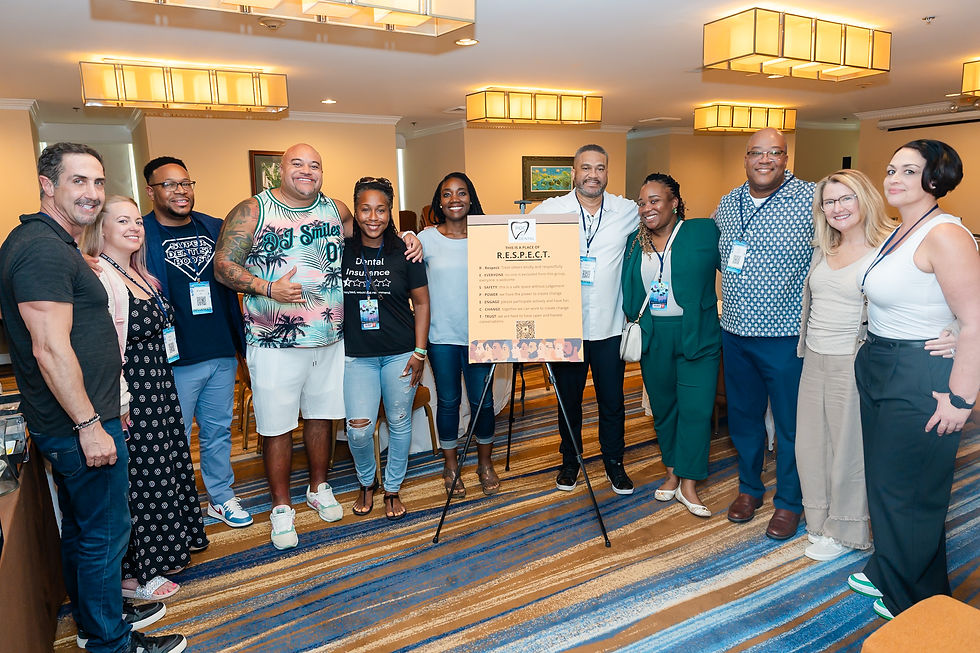
Tobi Bosede serves as President of People of Color in Dental, a nonprofit professional association dedicated to advancing the careers of dental professionals from underrepresented racial backgrounds alongside allies. She is also the founder and CEO of DentalFynd, a dental care marketplace that helps dentists acquire fee for service patients. She is passionate about mentorship, professional development, and creating pathways for all dental leaders.


Comments